Features Built to Handle Decades of Use
Hardscaping in Bradford for rural properties with room for permanent outdoor living areas
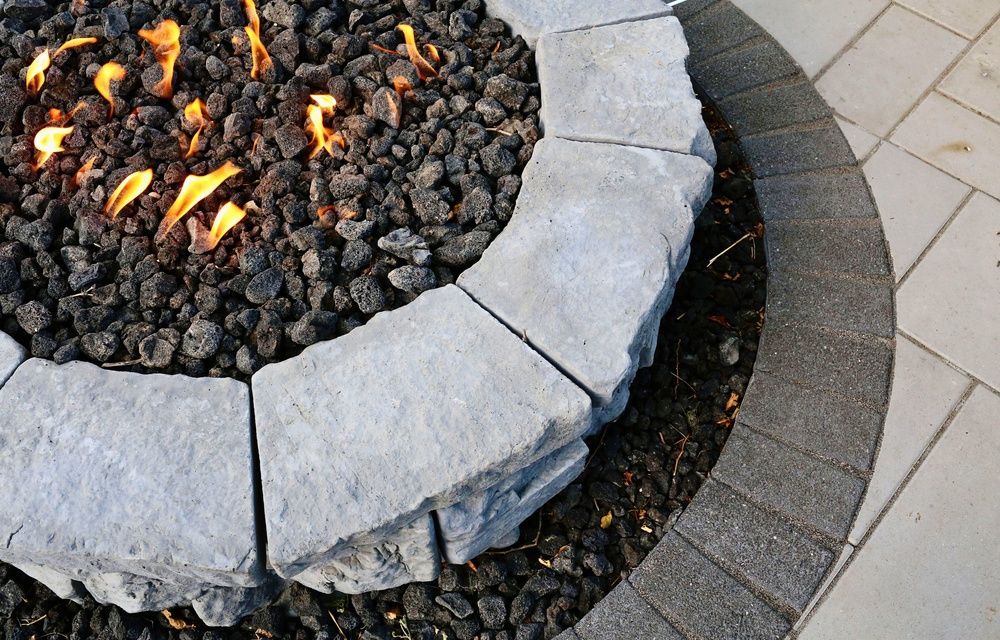
Larger rural lots and acreage common around Bradford and Toulon offer space for fire pits, patios, and hardscape features that sit well away from the house, which changes how the base and access are planned compared to tighter suburban yards. Hometown Suds and Sod builds hardscape features in Bradford, including fire pits, retaining walls, and paver surfaces, with the owner handling design, excavation, and construction himself from start to finish. You get one person making decisions across the entire project, from the initial layout to the final surface check.
The work begins with a free estimate during a site visit to choose the location, check slope and drainage patterns, and confirm access for equipment and materials. Base preparation involves excavating to depth, compacting native soil, and installing a gravel or paver sub-base that stays stable under seasonal moisture changes and freeze-thaw cycles. Pavers, stone, or block are then set and leveled across the prepared surface, and fire pit rings or fixtures are placed and checked for stability before the site is cleaned up.
Schedule a site visit to review location options and base requirements for your property.
What Proper Base Preparation Accomplishes
Base work determines whether a hardscape feature stays level or shifts over time. The owner excavates to depth, removes unstable soil, and compacts the subgrade before installing crushed stone in layers, each compacted separately to lock the base in place and prevent voids that allow pavers to settle unevenly.
Once the surface is set, you notice pavers that sit flush with one another, edges that hold their line without migrating outward, and fire pits or seating walls that remain plumb season after season. Water sheds off the surface rather than pooling, and foot traffic or furniture weight distributes evenly across the base instead of causing isolated low spots.
The estimate includes excavation, base materials, surface installation, and cleanup. Additional work such as electrical runs for lighting or gas stub-outs for fire features are discussed and priced separately before they are added to the scope.
Answers About How the Work Is Done
Hardscaping on rural properties in Bradford involves more than choosing materials—it requires accounting for longer access routes, variable soil conditions, and features positioned away from utilities and structures.
How is the fire pit location chosen?
The owner walks the site with you to identify level areas, check distance from structures and overhead lines, confirm drainage flow, and verify equipment access before any excavation begins.
What happens during base preparation?
Native soil is excavated to the specified depth, the subgrade is compacted with a plate compactor or roller, and crushed stone is spread in layers and compacted again to create a stable foundation that resists settling.
Why does the base depth vary between projects?
Soil type, anticipated load, and the presence of clay or fill material affect how deep the excavation needs to go, with heavier use areas and unstable soils requiring deeper bases and thicker stone layers.
What is checked before the surface is installed?
The base is tested for level, drainage slope is confirmed to direct water away from structures, and edge restraints are set to prevent pavers from shifting outward under load or frost movement.
How are the pavers or stones secured?
Pavers are set on a layer of bedding sand, tapped into place with a rubber mallet, and locked together with joint sand swept into the gaps and compacted to limit lateral movement and weed growth.
Hometown Suds and Sod also builds fire pits and hardscape features in Kewanee, Galva, Wyoming, Toulon, and Princeton. The owner manages every phase of the project, from the first site visit through final grading, so the person who quotes your job is the same person operating the equipment and setting the surface.