Line Work Done Without Damaging the Yard
Shallow excavation in Bradford for water, sewer, and gas service lines under six feet
Hometown Suds and Sod performs shallow excavation in Bradford and surrounding communities, covering water, sewer, and gas line work at depths under six feet. The work is done with the owner's own excavator, so one person runs the machine and manages the job from utility locates through backfill. Older homes and established rural properties around Galva and Wyoming often have service lines that have aged or were routed differently than current plans, so locating and digging with care matters on these jobs.
The process starts with a free estimate that confirms the line route, depth, and what is being replaced or repaired. Utility locates are requested before digging, and clients should mark any sprinklers or other buried items they know about before the crew arrives. The owner excavates to the required depth with his own excavator, exposes the line, completes the repair or install as specified, backfills in layers to prevent settling, and grades the surface back to match the surrounding yard.
Request a free estimate to confirm depth, route, and access for your line repair.
How Shallow Excavation Addresses Aging Infrastructure
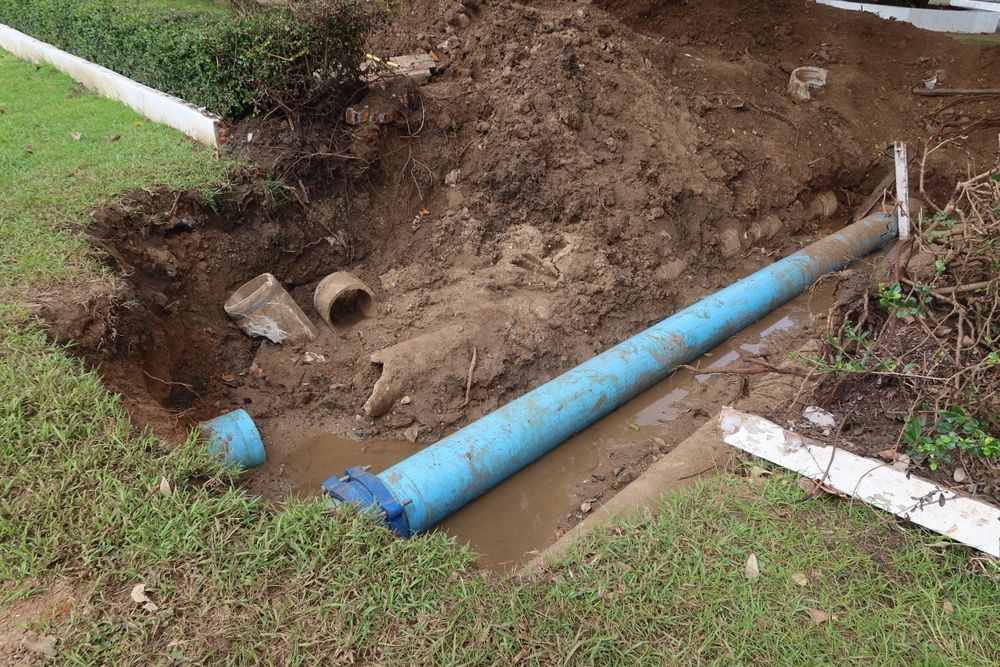
Service lines fail when corrosion thins metal pipe, tree roots penetrate joints, or shifting soil cracks rigid materials. Shallow excavation opens the ground just wide enough to expose the damaged section, allows for replacement or repair, and restores the surface without tearing up the entire run from house to street.
After the work is finished, you see a trench that has been backfilled in compacted layers and graded to match the original ground level. Water pressure returns to normal, drainage flows without backup, and gas service resumes without interruption or odor. The disturbed area is narrower than traditional trenching, which means less lawn repair and faster recovery of turf or landscaping.
The estimate covers excavation, exposure of the line, backfill, and surface grading. Pipe replacement, fittings, and connection work are handled by the appropriate licensed trade and are priced separately based on the scope of the repair.
Common Questions About This Service
Excavation work involves more than digging a hole—it requires planning the route, protecting existing utilities, and restoring the site without leaving settling or drainage problems behind.
What happens before digging starts?
Utility locates are requested to mark electric, gas, water, and communication lines, the owner walks the route to check for obstacles or grade changes, and the client is asked to identify sprinkler heads, septic components, or other buried features not captured by public locates.
How is the trench width determined?
Width depends on the depth of the line, the type of repair being made, and the working room required for safe access, with most residential service lines requiring trenches between 12 and 24 inches wide.
Why is backfill done in layers?
Compacting soil in lifts prevents voids that cause the surface to settle weeks or months later, which would leave a depression over the trench and create drainage problems or trip hazards.
What should you expect after the trench is filled?
The surface is graded level with the surrounding yard, but fresh backfill may settle slightly over the first few weeks as soil particles compact naturally under moisture and gravity.
How does the owner avoid damaging existing lines during excavation?
The excavator is operated with care near marked utilities, hand digging is used to expose lines within the tolerance zone, and the bucket is kept clear of any line that crosses the work area.
Hometown Suds and Sod also performs shallow excavation in Galva, Kewanee, Wyoming, Toulon, and Princeton. Arrange an on-site visit to confirm depth, access, and what the excavation will include before any equipment arrives.