
Service Lines Replaced Without Tearing Up the Lot
Water line excavation in Bradford for homes and rural properties with original or aging service runs
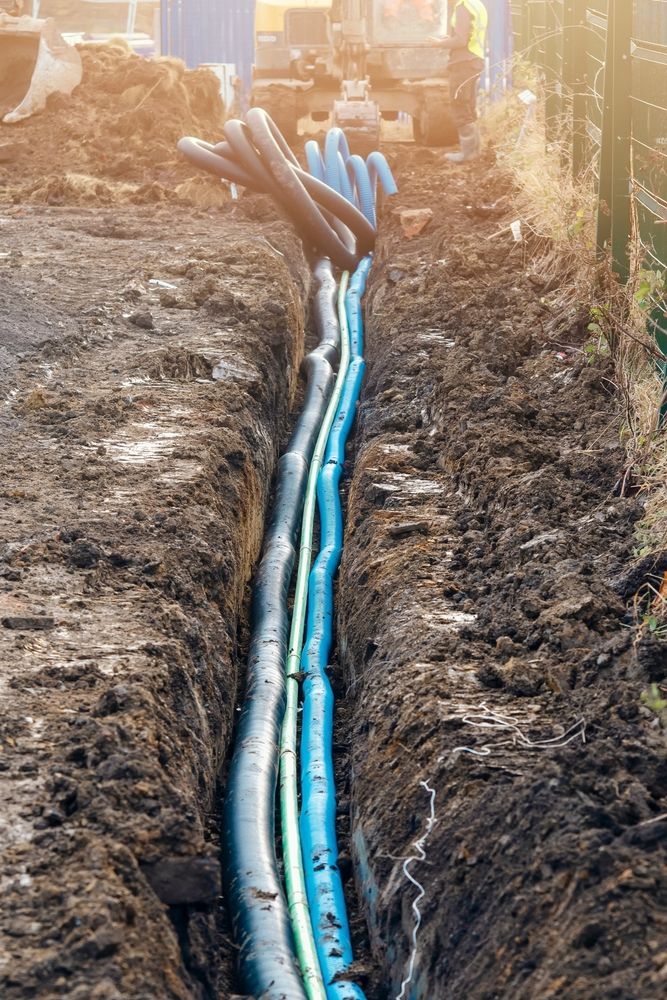
Water service lines fail when corrosion thins metal pipe, freeze damage cracks rigid materials, or shifting soil breaks joints, and replacement requires opening the ground from the meter to the house without damaging utilities or landscaping along the route. Hometown Suds and Sod excavates water lines in Bradford with the owner running the excavator himself, so one person plans the dig, operates the machine, and handles the restoration. Older housing stock and established rural properties around Bradford and Galva often have original service lines that need replacing or relocating, and acreage lots can run a long distance from the meter to the house.
Booking is by appointment, and the owner visits the site to mark the route and check for existing utilities before digging. The trench is excavated to the required depth with the owner's own machine, kept as narrow as the work allows to limit lawn damage, and backfilled in compacted layers after the new line is installed. Grading is finished to leave the ground level, and the estimate states what is included before any work starts.
Request an on-site visit to confirm route, depth, and surface restoration for your water line replacement.
What Changes Once the Line Is Installed
New water service eliminates pressure drops caused by corrosion buildup inside old galvanized pipe, stops leaks that waste water and undermine soil around the foundation, and restores flow rates needed for multiple fixtures or irrigation systems. The owner excavates to depth, checks grade to prevent low spots where water could freeze, and backfills around the new line with native soil compacted in lifts to prevent settling.
Once the trench is closed, you notice consistent water pressure throughout the house, no wet spots or sinkholes developing along the route, and a surface graded to match the surrounding yard. The disturbed area is narrower than trenches opened by contractors using larger equipment, which means faster turf recovery and less replanting of landscaping.
Excavation includes digging, backfill, and grading. Water line materials, fittings, and connections to the meter and house are handled by a licensed plumber and are priced separately based on the length of the run and material selected.
Questions Before Starting Your Project
Water line excavation on rural properties requires more than opening a trench—it involves routing around existing utilities, managing long runs across variable terrain, and restoring the surface without leaving drainage problems or settling.
How is the trench route chosen?
The owner walks the property with you to identify the shortest practical path from meter to house, avoid trees and septic components, and confirm that the route clears driveways, sidewalks, and other hardscape features.
What depth is required for water lines in Bradford?
Frost depth in central Illinois typically requires burial at least 42 to 48 inches below finished grade, though deeper excavation may be needed where the line crosses under driveways or where fill has been added.
Why does backfill need to be compacted?
Loose soil settles unevenly as moisture infiltrates and gravity compacts the fill, which creates depressions over the trench that collect water, kill turf, and require regrading months after the job is finished.
What happens if the excavator encounters rock or other utilities during digging?
The owner adjusts the route or depth as needed, uses hand tools to clear around existing lines, and updates the scope before proceeding if additional work is required to complete the installation safely.
How soon can you replant or resod over the trench?
Native soil backfill can be seeded or sodded immediately after final grading, but settling may still occur over the first few weeks, so light watering and monitoring for low spots is recommended during that period.
Hometown Suds and Sod also excavates water lines in Kewanee, Galva, Wyoming, Toulon, and Princeton. The owner operates the excavator on every job, so the estimate reflects the actual work sequence and restoration plan you will see on site.